
By Kari Mar
La Conner Community News
About one in five people in La Conner and Swinomish was born after Sept. 11, 2001. They have no memory of the morning that, for most Americans, remains a defining moment with a clear “before” and “after.”
For the majority of children and young adults, 9/11 arrives as history book facts: 2,977 victims perished that day; 9,000 more have died since from toxic exposure and cancer. In a recent poll, Pew Research Center found that 60% learned about the attacks in school. Only 16% said they learned about them from family or friends.
Facts are easier to preserve than feeling. After all, they come with the benefit of hindsight. Facts can tell us what happened, how many people died, which buildings fell, what wars followed and how American politics changed.
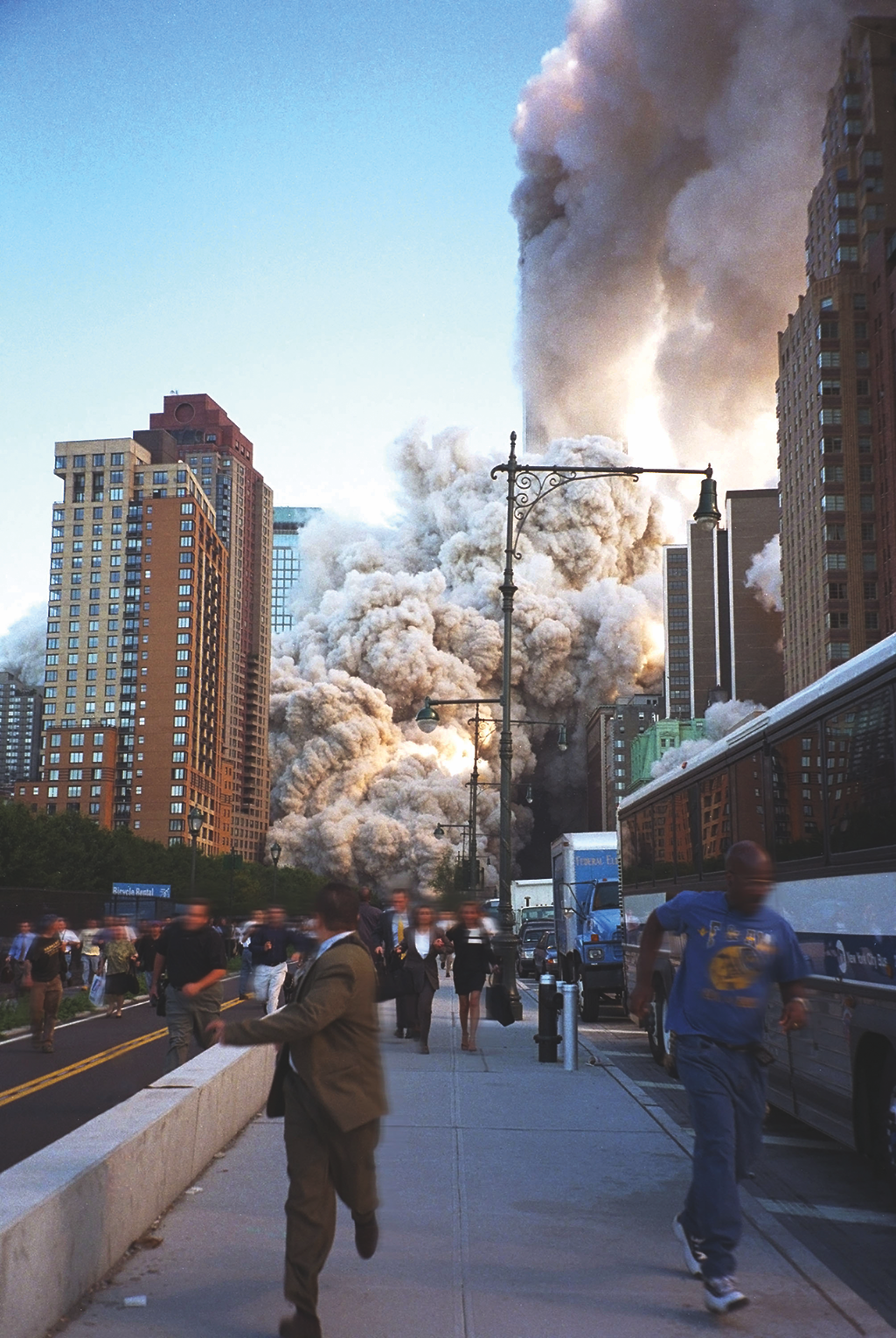
For those old enough to remember, Sept. 11 is rarely recalled as a sequence of facts. It returns whole, without the clarity history later imposed on it — enshrouded in the panic, fear and unknowing of a morning that began while much of La Conner was still asleep.
The first plane hit the North Tower of the World Trade Center at 5:46 a.m. PST, nearly an hour before sunrise here. The fourth and final plane crashed in Shanksville, Pennsylvania, at 7:03 a.m., as La Conner was beginning to stir and children were getting ready for school.
Word spread quickly through panicked telephone calls and the same urgent plea: “Turn the TV on.”
Then came the confusion. More phone calls. Calls that would not go through to New York. Fear arrived before anyone fully understood what, exactly, they were afraid of.
La Conner Community News invited readers to share their memories with us on social media and interviewed more than a dozen people around town. Every circumstance was different, each story carrying the particulars that memory keeps: where they were, who they called, what they saw, what they did next.
But the feelings were strikingly similar.
Fear. Confusion. The need to reach someone you loved and hold your children close. The hunger for information and for someone to make sense of what was happening.
For some, an unmistakable call to serve.
On television sets in kitchens, classrooms, workrooms and big-box stores, we watched people jump from burning buildings and first responders run toward danger whose dimensions they did not yet understand.
In the days that followed, Republicans and Democrats gave blood beside one another. People of many faiths prayed together in town squares and gathering places. For a brief moment, before conspiracy theories hardened, racism spread and wars began, Americans experienced the same terrible thing at the same time.
Polling captured some of it. Three days after the attacks, Pew reported that 92% of Americans said they were frightened and 70% reported feeling depressed. Support for the government and trust in the media rose sharply.
Those numbers are history now.
The feeling is not.
For those who remember that morning, it can return in an instant: fear, confusion, the desperate need to hear a loved one’s voice, and the sense that the world had changed before anyone understood what was happening — an aftershock of having been there.
Kari Mar is the editor and publisher of La Conner Community News.
Next: Read La Conner residents’ personal reflections on 9/11.
