
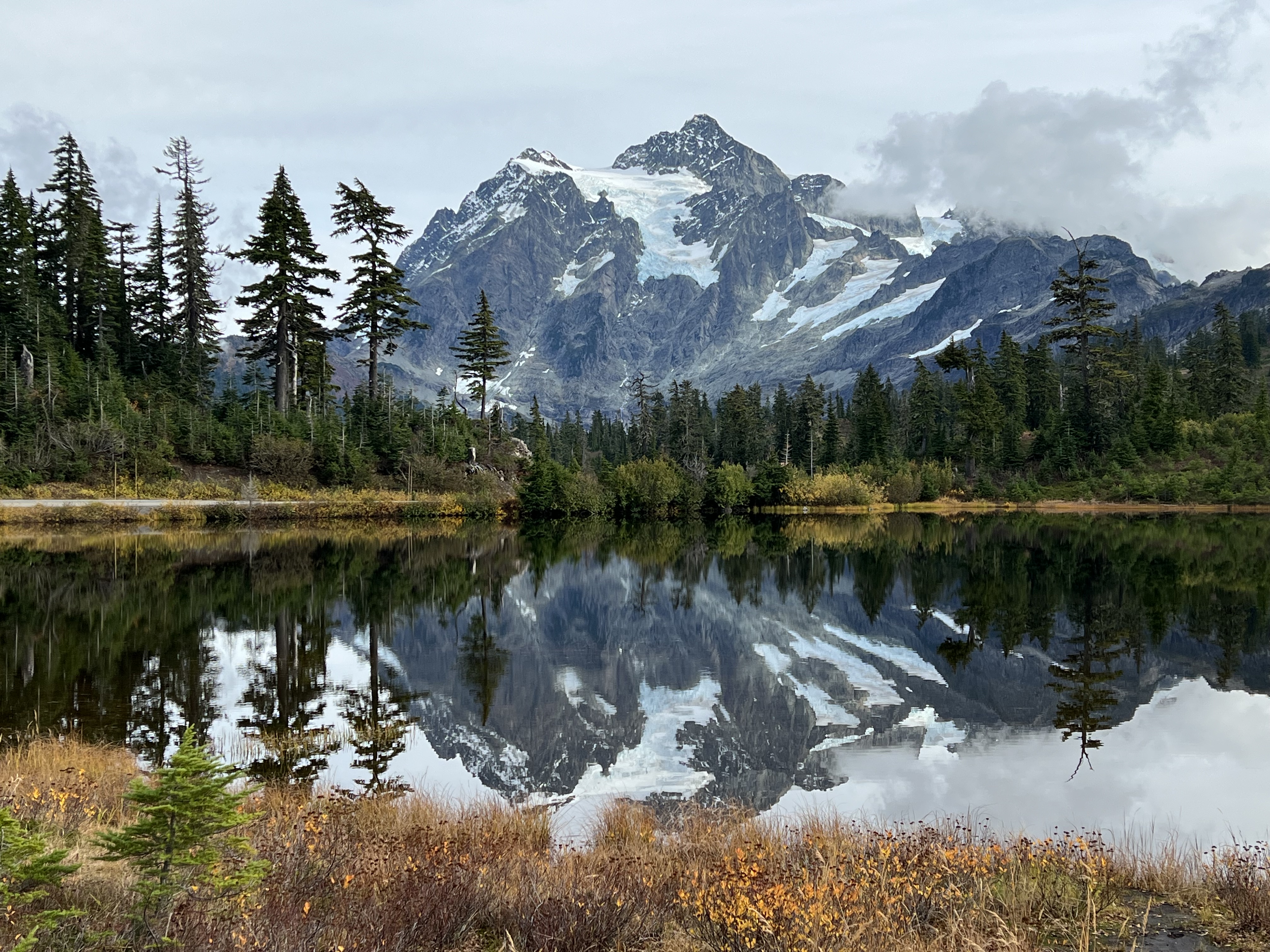
Forest future debated
No story of the Pacific Northwest feels complete without its forests — towering old growth, salmon streams shaded by cedar, and miles of trails that carry us into the quiet. But the protections that have kept some of these places “roadless” for more than two decades may soon be rolled back.
The U.S. Forest Service is considering rescinding the Roadless Rule, a 2001 safeguard against building new roads, logging, and mining across millions of acres of national forest. The proposal is national in scope, but it could reshape the landscape right here in Skagit County, where more than 100,000 acres are covered by the rule.
Public comment on the plan closes this Friday, Sept. 19. Already, more than 96,000 people have weighed in — including many from La Conner and west Skagit.
“The Roadless Rule has successfully contributed to the conservation of forest ecosystems within the National Forest system for many years, and must be maintained for many more years to allow the forests to grow,” wrote one La Conner resident in their comment.
What is the Roadless Rule?
Adopted in 2001, the Roadless Area Conservation Rule was designed to protect some of the most undeveloped parts of the national forest system. Today, about 59 million acres nationwide remain under its protection, including nearly two million acres in Washington. Locally, that includes portions of the Mount Baker–Snoqualmie National Forest and nearby wilderness areas.
The rule was meant to preserve habitat, clean water, and outdoor recreation. It does allow exceptions for wildfire response, public safety, and scientific research.
Competing visions
Supporters of rescinding the rule — including timber industry groups and some federal officials — say it limits proactive forest management and unfairly constrains the timber industry. U.S. Secretary of Agriculture Brooke Rollins called it outdated and said the change would “allow more decisions to be made at the local level, helping land managers make the best decisions to protect people, communities, and resources.”
They argue that more flexibility could help managers thin forests, build strategic roads, and reduce wildfire risks — while projects would still need to comply with strict environmental laws.
Opponents, including tribal leaders, conservationists, and recreation groups, say the rollback threatens fragile ecosystems and treaty rights.
Upper Skagit Tribal Chairwoman Jennifer Washington urged keeping the rule intact.
“These roadless areas have been culturally significant to our Tribe since time immemorial,” she wrote to federal officials. “They provide habitat for spawning salmon and wildlife, as well as areas for our people to harvest plants and medicines we have gathered for thousands of years.”
Swinomish Chairman Steve Edwards also voiced concern, calling the move a “wholesale reversal in federal policy” with potentially “catastrophic effects” on treaty resources.
What’s next
The Forest Service is preparing a full Environmental Impact Statement (EIS), the detailed review required for major changes to public lands. The timeline ahead looks like this:
- Sept. 19: Public comment closes. You can comment here: https://www.regulations.gov/document/FS-2025-0001-0001/
- March 2026: Draft rule and draft EIS expected, with another round of comments.
- Late 2026: Final rule and EIS could be released.
Until then, the Roadless Rule — and the protections it provides for Skagit’s forests — remains in effect.
Kari Mar is the editor and publisher of La Conner Community News.
