
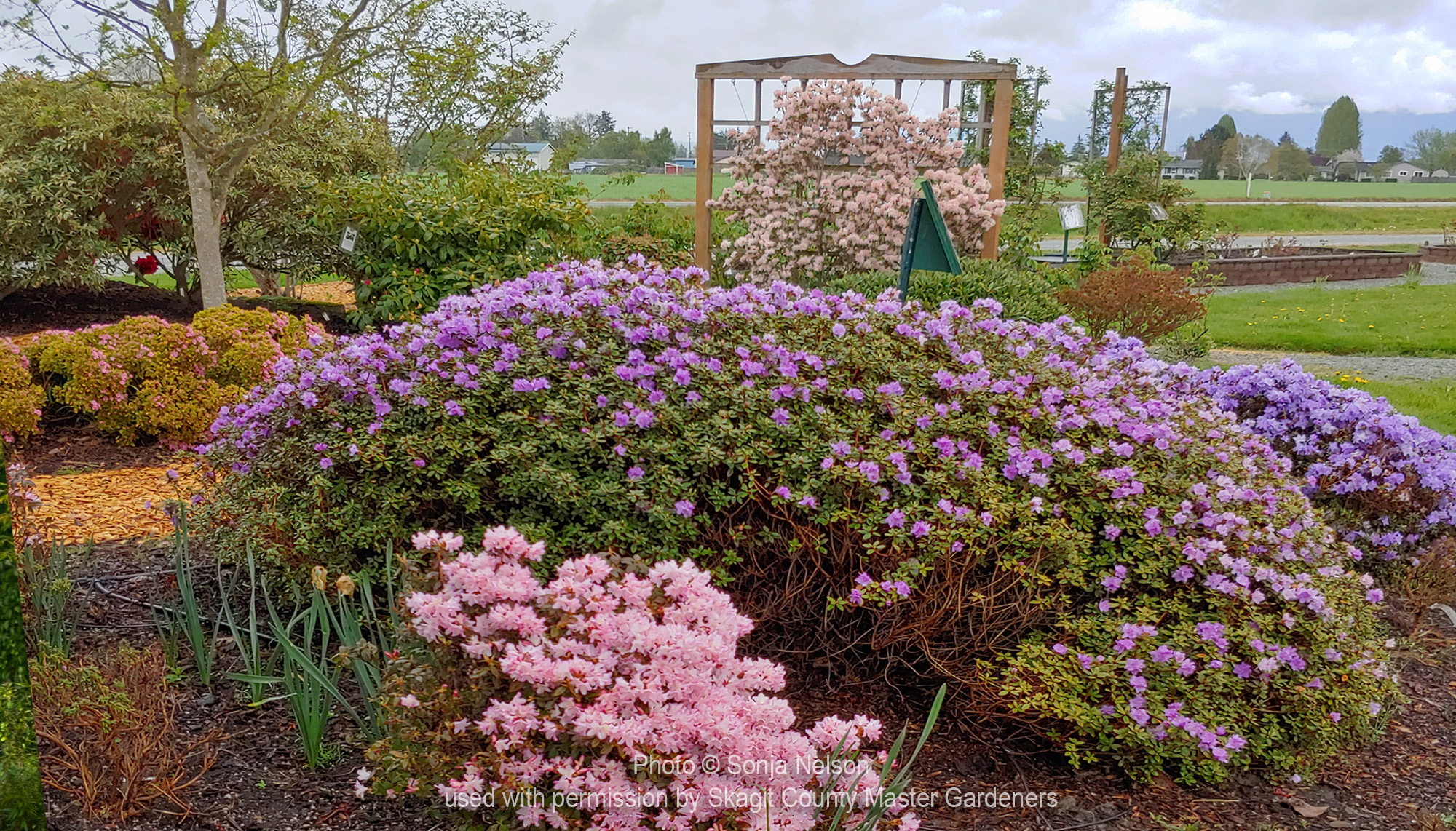
Rhododendrons are a beloved staple of Pacific Northwest gardens, with their vibrant blooms and rich history. But climate change is putting them at risk. From rising temperatures to invasive pests, these cherished shrubs need extra care to thrive in a shifting environment.
A changing climate for rhododendrons
The Pacific Northwest has long been an ideal home for rhododendrons, including the native Western rhododendron (Rhododendron macrophyllum). However, with 2024 marking the hottest year on record, these plants are struggling with heat stress, sun scorch, and unpredictable weather patterns. While they’ve historically flourished in moderate conditions, today’s extremes challenge their resilience.
A storied history under threat
Rhododendrons have been part of the Pacific Northwest landscape for centuries. Native American communities incorporated their blossoms into rituals long before British botanist Archibald Menzies introduced the Western rhododendron to Europe in 1792. A century later, it was named Washington’s state flower, solidifying its iconic status. Yet, as the native Western rhododendron quietly persisted in the region’s forests, and vibrant hybridized new varieties grew in gardens, increasing summer temperatures have introduced new threats.


(Left photo) Lacewing insect © Insect Images: Photographer: Johnny N. Dell
(Right photo) Lace bug symptoms on rhododendron leaves. © WSU Hortsense Photo by C.R. Foss
How climate change is affecting rhododendrons
Many local gardeners are noticing subtle but troubling changes. Sun scorch, once an occasional nuisance, is becoming more widespread. More alarming, however, is the rise of the rhododendron lace bug (Stephanitis rhododendri), a pest that has migrated north from California, taking advantage of longer, warmer growing seasons. This tiny but destructive insect lays eggs on leaf undersides, causing damage that can leave plants yellowed and weakened. In one local garden the lace bug problem was so pervasive among small-leaved rhododendrons, the only solution was to remove them and let the soil lay dormant for a season before replanting.
Solutions for resilient rhododendron gardens
What can gardeners do to protect their rhododendrons? Experts suggest:
- Choosing heat-tolerant varieties: Some species, such as Rhododendron maximum and the ‘PJM’ hybrid, show greater resilience to drought and extreme temperatures.
- Providing proper care: Basic maintenance like watering, fertilizing, and mulching can strengthen plants against environmental stress.
- Managing lace bug infestations: Non-chemical treatments, such as spraying leaves with water, can help. If necessary, organic pesticide options are available.
What gardeners are seeing — and what’s next
Interestingly, while some rhododendron species are struggling, others remain largely unaffected. Members of the American Rhododendron Society offer mixed reports on the effects of a warming climate and the accompanying weather extremes on rhododendrons: some varieties show little to no change, while others have suffered. As researchers continue to monitor these effects, gardeners have a unique opportunity to witness climate change’s impact firsthand—and take proactive steps to protect their plants.
Learn more and take action
Want to dive deeper into the history, science, and solutions behind rhododendron care in a changing climate? Discover expert insights, practical gardening tips, and fascinating stories in the full blog post. Read more at www.skagitmg.org/rhododendrons/ and ensure your rhododendrons remain a thriving part of your garden for years to come!
Washington State University Extension helps people develop leadership skills and use research-based knowledge to improve economic status and quality of life. Cooperating agencies: Washington State University, US Department of Agriculture, and Skagit County. Extension programs and policies are available to all without discrimination. To request disability accommodations at an event, contact us at least ten days in advance.
